
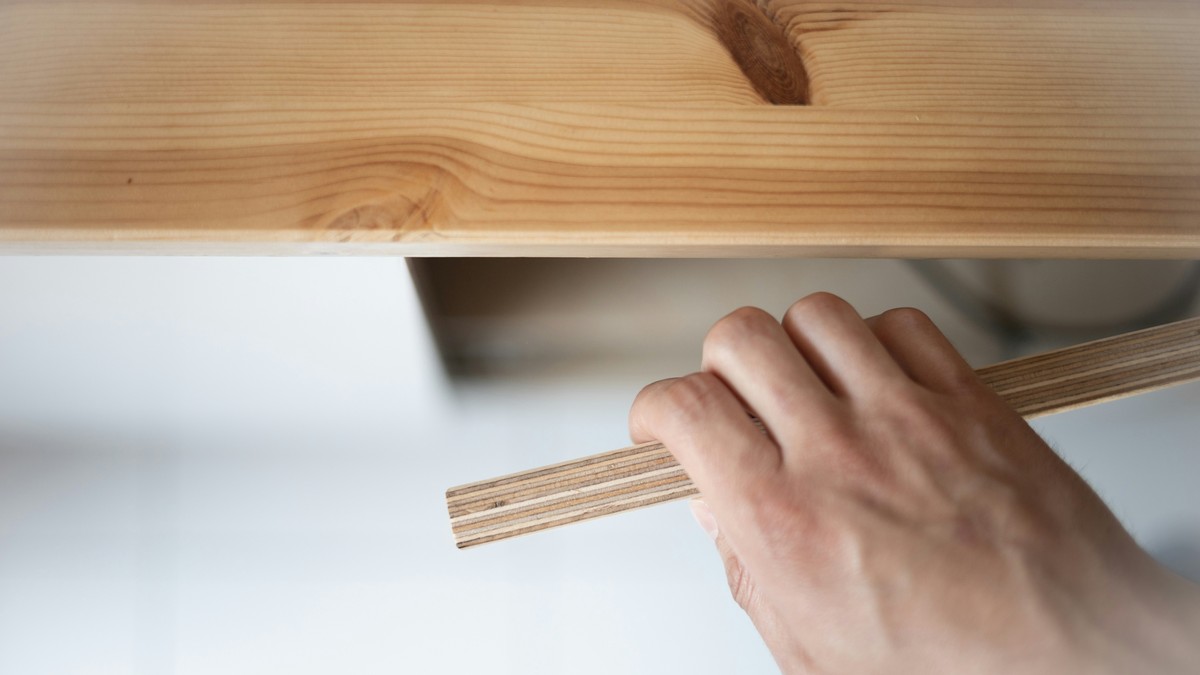
Upcycling works when it starts with a real problem: storage, seating, lighting, or clutter. A simple process avoids half-finished projects and produces pieces that look intentional, not improvised.
Understanding the Upcycling Philosophy
Unlike recycling, which breaks materials down to their base components, upcycling reimagines existing items and elevates them into something new and valuable. A worn wooden ladder becomes rustic shelving. Mason jars transform into elegant pendant lights. Old denim gets sewn into a stylish tote bag. The possibilities are limited only by imagination.
Upcycling embodies sustainability by reducing waste, minimizing the demand for new manufacturing, and celebrating resourcefulness. It’s also deeply satisfying. Knowing you created something beautiful from something destined for the landfill builds genuine pride.
Getting Started: Building Your Upcycling Toolkit
You don’t need expensive equipment to begin upcycling. Start with essentials you likely already have:
Basic Tools
- Screwdriver set (Phillips and flathead)
- Hammer and various nail sizes
- Hand saw or hacksaw
- Drill with basic bits
- Tape measure and pencil
- Sandpaper (various grits)
- Paintbrushes and rollers
- Utility knife
Supplies Worth Having
- Wood stain and paint (eco-friendly varieties available)
- Hardware (hinges, handles, bolts)
- Wood glue and general-purpose adhesive
- Fabric paint or dye
- Polyurethane or wood varnish for protection
- Rope, twine, or macramé cord
- Decorative elements (beads, buttons, embellishments)
Where to Source Materials
Finding raw materials for upcycling projects is part of the adventure. Check thrift stores, estate sales, flea markets, and online marketplaces where people give away items for free. Ask friends and family before they throw things away. Scout curb-side pickups on trash day in your neighborhood.
The key is developing an eye for potential. That broken picture frame becomes a geometric wall art piece. Those old books become storage boxes or decorative stacked elements. Worn t-shirts transform into a braided rug or throw pillow covers.
Popular Upcycling Projects for Every Skill Level
Beginner-Friendly Ideas
Mason Jar Storage: Paint mason jars and use them to organize office supplies, craft materials, or bathroom items. Add chalkboard labels for a organized, charming look.
Painted Terracotta Pots: Transform plain terra cotta with acrylic paint. Create geometric patterns, ombre effects, or hand-painted designs. Perfect for gifting or adorning a patio.
Rope-Wrapped Containers: Wrap jute or hemp rope around old cans or containers using hot glue. Paint the containers first for a two-tone effect that looks professionally designed.
Intermediate Projects
Pallet Wood Shelving: Source free wooden pallets (available from many businesses), sand them smooth, and mount them as shelves. Stain or paint to match your décor.
Vintage Suitcase Coffee Table: Stack vintage suitcases, add a glass top, and create a unique storage piece that sparks conversation. Layer textiles for added visual interest.
Fabric Scrap Patchwork Wall Art: Cut fabric scraps into shapes, arrange them on canvas, and secure with fabric glue. Frame for an eclectic, personalized art piece.
Advanced Creations
Furniture Upcycling: Sand and repaint old dressers, chairs, or tables. Replace hardware, reupholster seats, or add decorative elements like wallpaper or paint techniques such as ombre or color-blocking.
Lighting Fixtures: Create pendant lights from vintage bottles, wooden crates, or woven baskets. Add electrical components carefully or work with a professional for complex installations.
Headboard Creation: Use reclaimed wood, vintage doors, old shutters, or even fabric panels to create an eye-catching bedroom focal point that costs a fraction of retail alternatives.
The Creative Process
Envision and Plan
Before starting, imagine the finished product. Look at inspiration online, in home décor magazines, or in your own home. Sketch rough ideas. Consider how the upcycled piece will fit your space, color scheme, and lifestyle.
Prepare Thoroughly
Clean items carefully. Remove labels, old paint, or adhesive. Sand surfaces to create a fresh canvas. Repair any structural issues. This preparation stage determines the quality of your final result.
Embrace Imperfection
Upcycled items don’t need to look factory-perfect. In fact, slight imperfections, visible brush strokes, and handmade elements add character and charm. They tell a story of transformation and creativity.
Sustainability Benefits Beyond the Project
Each upcycling project reduces waste destined for landfills, decreases demand for new manufacturing (which saves resources and energy), and often costs significantly less than purchasing new items. You’re also developing skills, practicing creativity, and creating one-of-a-kind pieces impossible to find in stores.
Sharing Your Passion
Document your upcycling projects with photos. Share your creations with friends, host upcycling workshops, or gift handmade upcycled items. Inspire others to see potential in the overlooked and forgotten. Your enthusiasm for creative reuse might spark someone else’s passion for sustainability.
Conclusion
Upcycling combines creativity, sustainability, and practicality into a rewarding hobby that literally transforms your living space. Start with one simple project, enjoy the process, and let your imagination guide you toward increasingly ambitious creations. Your home will become a showcase of your personality, resourcefulness, and commitment to a more sustainable lifestyle.