
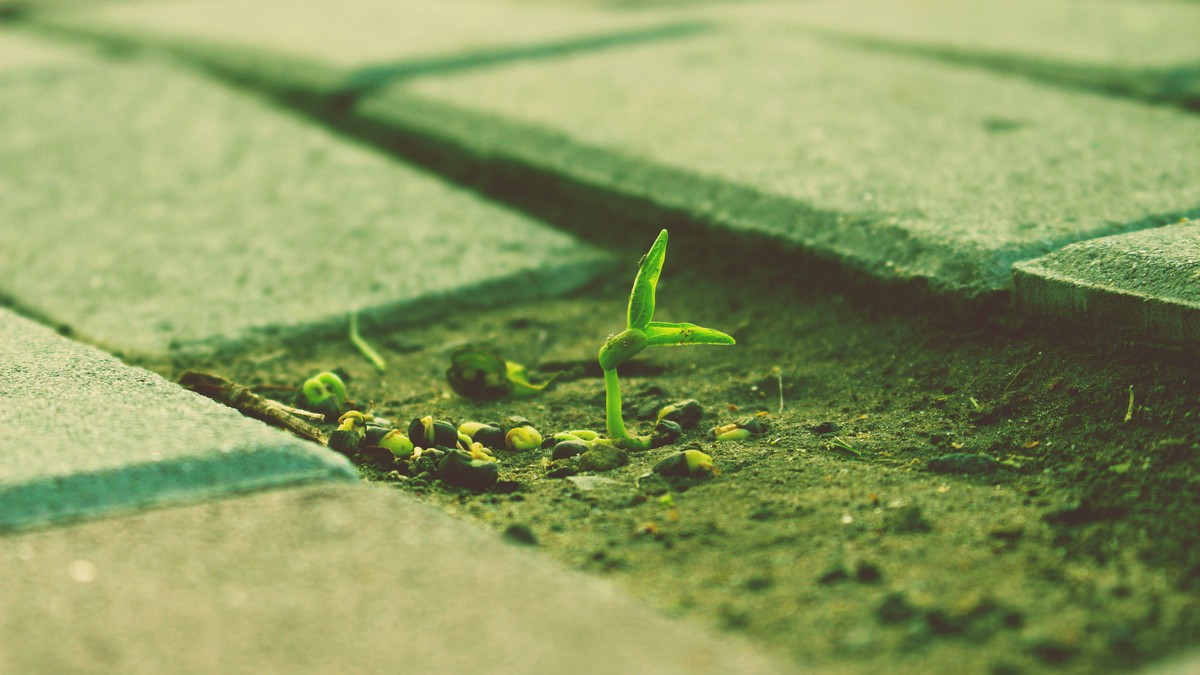
Buying transplants from a nursery gets expensive. Starting seeds indoors saves money and offers access to unique plant varieties. A successful start requires mimicking spring conditions inside the home. Light, heat, and moisture are the three non-negotiable factors.
The Light Setup
Windowsills rarely provide enough light for seedlings. Leggy, weak plants result from reaching for the sun. Use LED shop lights or dedicated grow lights.
- Distance: Keep lights 2-3 inches above the seedlings.
- Duration: Keep lights on for 14-16 hours a day.
- Adjustment: Raise the lights as the plants grow.
Soil and Containers
Do not use garden soil. It compacts in pots and may contain disease. Use a sterile seed-starting mix. It is light and fluffy, promoting root growth. Any container with drainage holes works, from plastic cell trays to upcycled yogurt cups.
Germination Warmth
Seeds need warmth to wake up. Most vegetables prefer soil temperatures between 70°F and 80°F. A heat mat placed under the trays speeds up germination significantly. Once sprouts appear, remove the heat mat to prevent rapid, weak growth.
Watering Wisely
Overwatering kills more seedlings than underwatering. The soil should be like a wrung-out sponge, not a swamp. Water from the bottom by placing trays in a pan of water for 15 minutes. This encourages roots to grow downward and keeps the leaves dry, preventing fungal issues.
Hardening Off
Indoor plants cannot go straight into the garden. They need a transition period called “hardening off.” Over one week, gradually introduce them to outdoor sun and wind for a few hours daily. This toughens the cell walls for survival.